Authentic Drunken Noodles Recipe You Need to Try
@elliottgvyr255
September 25, 2026 · 15 min read
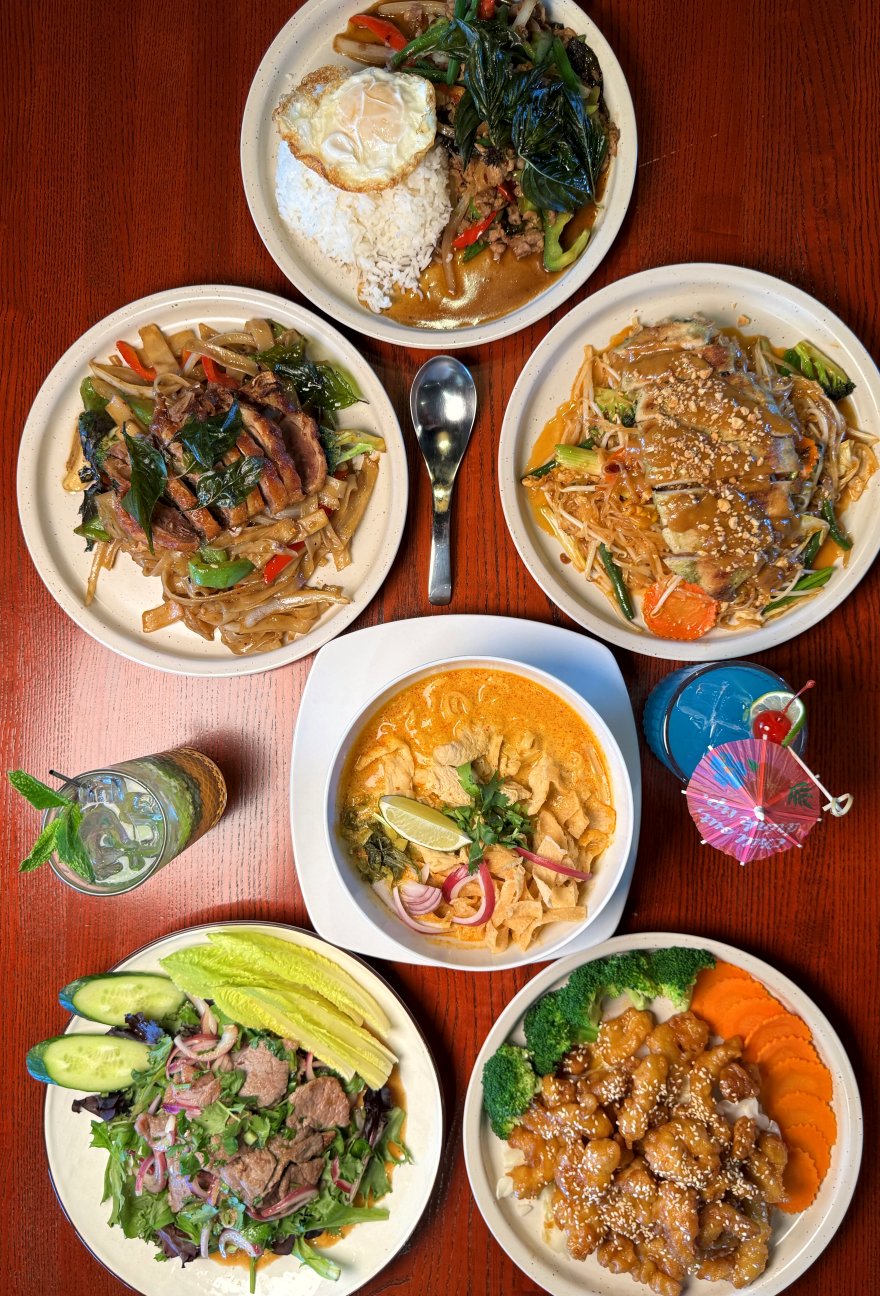
Few Thai noodle dishes hit the table with as much swagger as Drunken Noodles. The first time you taste a good plate of them, you understand why people chase that flavor for years. Wide rice noodles, glossy with sauce, cling to seared chicken or beef, softened onion, charred peppers, and handfuls of fragrant Thai basil. The heat arrives quickly, but the dish is not only about spice. It is salty, savory, a little sweet, deeply aromatic, and just smoky enough from a ripping hot pan to feel restaurant-worthy.
A lot of home versions miss the mark for one simple reason. They treat Drunken Noodles like a standard stir-fry. They are not. This dish rewards speed, preparation, and a little nerve with heat. If you crowd the pan, the noodles steam. If you baby the sauce, the flavor tastes flat. If you skip Thai basil, the whole plate loses the perfume that makes it unmistakable.
What follows is a practical, tested approach that delivers the kind of Drunken Noodles you would actually want to make again. It balances authenticity with the realities of a home kitchen, including what to do if you cannot get every ideal ingredient. The goal is not a precious, overly strict recipe. The goal is a bold, satisfying plate of noodles that tastes alive.
What makes Drunken Noodles different
Drunken Noodles, often associated with pad kee mao, are built around broad rice noodles and assertive flavor. Where pad see ew leans sweeter and darker, Drunken Noodles push harder on garlic, chilies, basil, and fish sauce. Good versions have contrast. The noodles stay tender but not mushy. The vegetables soften yet keep some bite. The sauce coats everything without pooling at the bottom of the plate.
The name sparks endless curiosity. Some say the dish is spicy enough to pair with beer. Others suggest it is the kind of food people crave after a late night out. There is also a story that a cook invented it while drunk and used whatever was around. Whether any version is definitive matters less than the result. What matters is that the dish should feel loose, hot, fragrant, and full of motion, not stiff or overly tidy.
In restaurant kitchens, wok hei, that faint char and smoky depth from intense heat, helps define the dish. Most home stoves cannot replicate that exactly, but you can still get close enough to make the noodles sing. The trick is to stop thinking in terms of leisurely cooking and start thinking in terms of staging. Every ingredient needs to be ready before the pan goes on the burner.
The ingredients that matter most
You can make acceptable Drunken Noodles with substitutions. You cannot make great ones unless you understand which ingredients are doing the heavy lifting.
Wide rice noodles are central. Fresh wide rice noodles are ideal because they stay supple and absorb sauce beautifully. If you live near a good Asian drunken noodles with chicken market, check the refrigerated section. They are often folded into sheets or cut into ribbons. Dried wide rice noodles work too, but they need careful soaking or cooking. Overdo that step and they will break apart in the pan.
Thai basil is another non-negotiable if authenticity is the aim. Italian basil is sweeter and softer, with a very different aromatic profile. Thai basil brings a light anise edge that lifts the whole dish. It is one of those ingredients that seems minor on paper and obvious on the plate.
Fish sauce gives the dish backbone. You do not want a muddy, overly funky one, but you do want a good quality brand with depth. Soy sauce provides body and salinity, while dark soy sauce contributes color and a slight caramel note. Oyster sauce rounds everything out. Sugar, used with restraint, keeps the sauce from tasting harsh.
Fresh chilies matter more than chili flakes here. Bird’s eye chilies are common, and they deliver sharp heat fast. If you are cooking for people with lower spice tolerance, start smaller than you think you need. You can always add more heat. You cannot remove it once the chilies hit the oil.
Protein is flexible. Chicken thighs are especially forgiving because they stay juicy under high heat. Beef works well if sliced thin. Shrimp cook quickly and take the sauce nicely. Tofu can be excellent, especially if pressed and browned first. The dish is not about showcasing luxury ingredients. It is about how those ingredients behave in the pan.
A balanced sauce for home cooks
Many disappointing noodle dishes come from a sauce that is either too salty or too timid. Drunken Noodles need a sauce with enough force to season the noodles themselves, not just the vegetables and protein around them. When I make this at home for four servings, I use a ratio that lands in the sweet spot for most palates: roughly 3 tablespoons oyster sauce, 2 tablespoons light soy sauce, 2 teaspoons dark soy sauce, 2 to 3 tablespoons fish sauce, 2 teaspoons sugar, and a splash of water to loosen it. If I want more brightness, I add a teaspoon of lime juice at the very end, not in the mixing bowl.
That last detail matters. Lime is not traditional in every version, and too much acid can flatten the savory depth you worked to build. Added sparingly at the finish, it can sharpen the edges in a useful way. Added early, it often muddies the sauce.
Taste your sauce before it goes in the pan. It should seem almost a touch too strong on its own. Noodles dilute flavor quickly. A sauce that tastes perfect from the bowl often tastes bland once spread across a pound of noodles.
The authentic Drunken Noodles recipe
This version serves about four people as a main course, assuming everyone is hungry and there are no side dishes competing for attention. If you are serving other dishes, it can stretch to five.
- 12 ounces wide rice noodles, fresh if possible
- 1 pound boneless chicken thighs, thinly sliced
- 4 cloves garlic, finely chopped
- 3 to 5 Thai chilies, sliced, adjusted to heat preference
- 1 small onion, sliced into wedges
- 1 red bell pepper, sliced
- 1 cup Chinese broccoli or regular broccoli, chopped small
- 1 large tomato, cut into wedges, optional but very common in many versions
- 1 packed cup Thai basil leaves
- 3 tablespoons oyster sauce
- 2 tablespoons light soy sauce
- 2 teaspoons dark soy sauce
- 2 to 3 tablespoons fish sauce
- 2 teaspoons sugar
- 2 tablespoons neutral oil, plus more if needed
- 2 to 4 tablespoons water, as needed during stir-frying
If you are using dried noodles, cook or soak them just until pliable and slightly underdone. They should bend easily but still feel resilient. Drain well and toss very lightly with a little oil if they seem sticky. If you are using fresh noodles, separate them gently with your hands. If they are cold and stiff, a brief microwave warming, about 20 to 30 seconds, can make them easier to handle without tearing.
Mix the oyster sauce, soy sauces, fish sauce, and sugar in a small bowl. Set it by the stove. Slice the chicken, prep the vegetables, wash the basil, and have everything within reach. Once the pan is hot, there is no time to rummage through cabinets.
How to cook it so it tastes like takeout, only better
The biggest leap in home stir-frying is learning not to overload the pan. If you dump a full pound of noodles, all the vegetables, and all the chicken into a crowded skillet, the temperature drops immediately. Instead of searing, you steam. That is the fastest route to limp noodles and gray meat.
Follow this sequence and move quickly:
-
Heat a large wok or heavy skillet until very hot. Add 1 tablespoon of oil, then add the chicken in a single layer. Let it sear, stir only when it releases naturally, and cook until just done. Remove it to a plate.
-
Add the remaining oil, then the garlic and chilies. Stir for only a few seconds, just until fragrant. Add onion, bell pepper, and broccoli. Stir-fry over high heat until the edges begin to char but the vegetables still hold shape.
-
Return the chicken to the pan, add the noodles, then pour in the sauce around the edges of the pan rather than directly in one spot. Toss firmly but carefully. If the noodles seem tight or dry, add a tablespoon or two of water to help the sauce spread and the noodles soften.
-
Add the tomato, if using, and cook briefly so it warms and softens without disappearing. Fold in the Thai basil at the very end. Toss until wilted and glossy, then serve immediately.
That final minute is where the dish either comes together or slips away. Basil needs only moments. If it cooks too long, its aroma fades. The noodles should emerge slick, lightly stained, and visibly speckled with chilies and basil leaves. They should not sit in a puddle of sauce.
Common mistakes that sabotage the dish
The most common error is using noodles that are too wet. Fresh noodles often carry surface moisture, and soaked dried noodles can hold even more. If they go into the pan dripping, they shed water, soften too fast, and refuse to take on any char. Patting them dry is not always practical, but draining thoroughly and giving them a few minutes to air out helps.
Another frequent issue is underseasoning. People get nervous about fish sauce and dark soy, so they scale back too much. Then they compensate by salting the finished dish, which never tastes the same. Drunken Noodles should be bold from the first bite.
Heat management also separates average results from excellent ones. Home cooks often turn the burner down when they see smoke or hear aggressive sizzling. Some caution is sensible, especially with nonstick pans, but for this dish you need decisive heat. If your stove is modest, cook in smaller batches. Two quick rounds will taste far better than one crowded pan.
Then there is the basil substitution problem. Italian basil can make a pleasant noodle stir-fry, but it will not taste like authentic Drunken Noodles. If Thai basil is unavailable, it is better to acknowledge the compromise than pretend it does not matter.
Ingredient substitutions that actually work
There is a practical side to home cooking. You may not have Chinese broccoli. You may not find fresh rice noodles. You may be cooking for someone who avoids seafood. None of that means you need to abandon the dish. It means you should substitute with intention.
Chinese broccoli, often labeled gai lan, has a faint bitterness and sturdy stems that stand up well to the pan. Regular broccoli is milder but still useful if chopped smaller than you think. Green beans can also work, especially if sliced on a diagonal so they cook quickly. Bell peppers add sweetness and color, and they fit naturally even if you skip tomato.
For the protein, chicken thighs remain the safest all-purpose choice. Chicken breast can work, but it dries out faster and needs careful slicing. If you use beef, go for flank steak or sirloin cut thin against the grain. Shrimp should be added only briefly, or they turn rubbery. Tofu deserves more respect in this dish than it often gets. Crisped in advance, it soaks up sauce beautifully and pairs well with the basil and chilies.
If seafood is off the table, fish sauce becomes the major obstacle. There are vegetarian sauces on the market designed to mimic its salty savoriness. They are not identical, but some are quite good. In a pinch, a mix of soy sauce and a small amount of mushroom-based seasoning can move the dish in the right direction, though the finish will be softer and less sharp.
How spicy should Drunken Noodles be?
This is where personal judgment matters more than rigid authenticity. In many restaurants, Drunken Noodles come hot, sometimes punishingly so. At home, I prefer to build heat in layers rather than shock the plate all at once. Three Thai chilies create a confident warmth for most people. Five or more push the dish into serious territory, especially if the seeds stay in.
Spice also behaves differently depending on the rest of the meal. If the noodles are the only main dish, a higher heat level can feel exciting. If they are served alongside curry or papaya salad, that same level can become exhausting halfway through dinner.
One practical move is to pound or mince part of the chilies very fine so they infuse the oil, then slice a few more for visible bursts of heat. That gives the dish depth rather than random spikes. Chili vinegar on the side can help those who want extra fire without throwing the entire pan out of balance.
The role of tomato, and why some cooks swear by it
Tomato divides people. Some diners expect Drunken Noodles without it, while others think the dish feels incomplete unless a few softened wedges are woven through the noodles. I land firmly in the second camp. A small amount of tomato adds moisture, acidity, and a gentle sweetness that rounds out the aggressive flavors in the sauce.
The key is restraint. Too much tomato turns the pan watery. Added too early, it breaks down and stains the dish into something softer and less defined. Added near the end, it stays recognizable and bright. You should notice it, not feel drowned by it.
This is also one of those details that reflects the fluid nature of real cooking. Regional versions vary. Family versions vary even more. The question is not whether one ingredient appears on every plate everywhere. The question is whether it helps your dish taste more complete. In many home kitchens, it does.
Getting restaurant texture without a restaurant burner
Professional wok stations throw out extraordinary heat. Most domestic ranges do not. You can still improve your results substantially with a few habits:
- Use the widest, heaviest pan you own and preheat it properly.
- Cook the protein first and remove it, rather than trying to manage everything at once.
- Keep the total batch size realistic, especially if your burner runs weak.
- Add sauce around the pan so it hits heat before coating the noodles.
- Serve immediately, because rice noodles lose their best texture as they sit.
These habits sound simple, but together they change the final dish. The noodles stay more distinct. The vegetables keep their edges. The sauce tastes integrated rather than dumped on at the end.
A cast iron skillet can be surprisingly effective if you do not have a wok. Stainless steel works well too, though it demands confidence with heat. Nonstick is the least ideal because many versions cannot handle the temperatures that give stir-fried noodles their character. If nonstick is your only option, lower the heat slightly and rely more on fast movement than intense searing.
Timing the meal so nothing turns gummy
Rice noodles are not forgiving once cooked. They have a window where they are perfect, then they tip quickly toward clumped and tired. That means your side dishes, drinks, and table settings should be ready before the pan goes on the stove.
If you are cooking for guests, do not try to hold Drunken Noodles for twenty minutes while everyone finishes an appetizer. Stir-fried rice noodles are best in the first five minutes after cooking, when the basil is still vivid and the strands have not settled into a solid mass. They can still taste good later, but the magic fades.
Leftovers Drunken Noodles are possible, though I would be lying if I claimed they are just as good. Reheat them fast in a hot skillet with a splash of water, not slowly in a microwave if you can help it. The goal is to loosen the sauce and wake the basil and garlic back up before the noodles overcook.
What to serve with Drunken Noodles
Because the dish is intense, it pairs best with simple companions. A crisp cucumber salad works because it cools the palate without competing. A fried egg on top is not traditional everywhere, but it is delicious, and the runny yolk softens the heat in a very satisfying way. If you are building a larger meal, grilled satay or lightly cooked greens fit better than rich curries.
For drinks, cold lager is the obvious classic. Sparkling water with lime also does the job. Sweet drinks tend to flatten the dish. You want refreshment, not extra sugar.
Why this recipe earns a permanent place in your rotation
Some recipes are pleasant but forgettable. Drunken Noodles are not that kind of meal. When made well, they hit several cravings at once. They are fast enough for a weeknight, dramatic enough for company, and adaptable enough to handle what is in your refrigerator. More importantly, they teach useful cooking instincts: how to prep before heat, how to balance a sauce, how to trust a hot pan, and how to stop cooking at the exact right moment.
That is one reason I recommend this dish to cooks who want to get better at more than just one recipe. If you can make excellent Drunken Noodles at home, you are learning how restaurant-style stir-frying actually works. You start noticing texture more closely. You become more disciplined with timing. You understand why mise en place is not culinary theater, but survival.
And then there is the simple fact that a great plate of Drunken Noodles is deeply satisfying. The basil perfumes the steam as it hits the table. The noodles glisten. The chilies wake up your palate. Every bite feels a little unruly in the best possible way. That is exactly what the dish should do.
Make it once by the book, with high heat, real Thai basil, and enough confidence to let the pan work. After that, adjust it to your own kitchen and your own appetite. The spirit of authentic Drunken Noodles lives in that balance between precision and boldness. When you get it right, you will know immediately.